As our towns expand and the countryside contracts, places like Wilden Marsh have never been more vital. Between the hum of the town and the whisper of the rushes, the marsh remains a refuge — not just for wildlife, but for the fragile connection between people and the wild.
I’m sitting in my hide on the riverbank again, waiting for a photo opportunity to make my day, and writing this post in an atmosphere of calm. Still, I’m concerned about the future of wildlife in our urban green spaces — as many others must be. Though I try to stay an optimistic realist, I’m certain that many wild animals now lead increasingly stressful lives living alongside us.
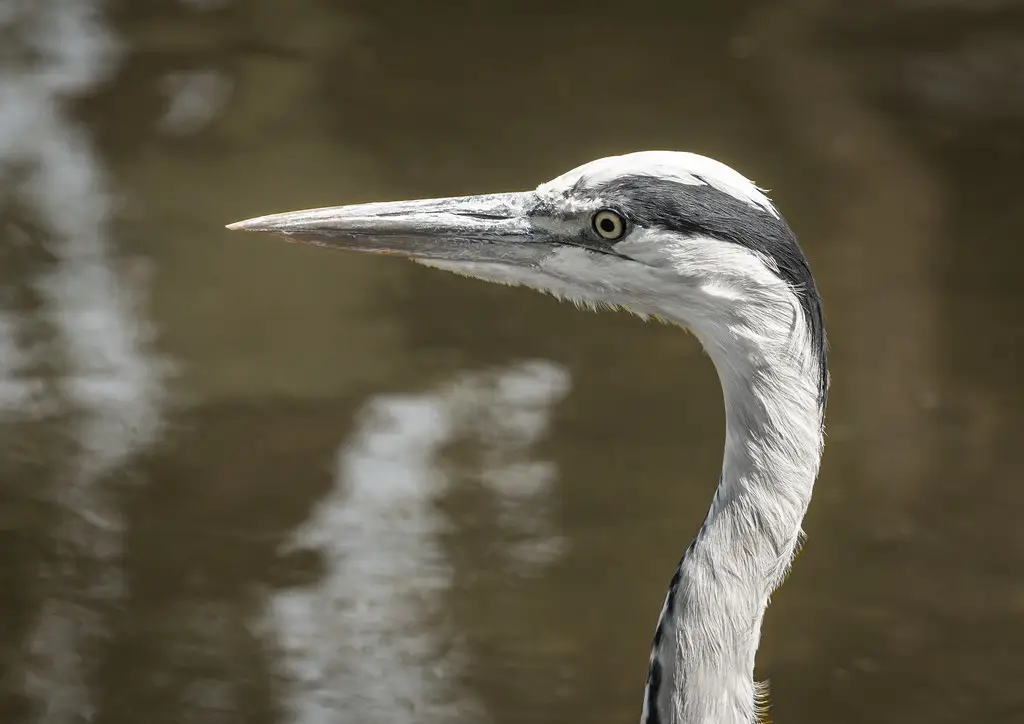
The creatures of Wilden Marsh have little to fear while they remain on the reserve, yet most are only passing through. They too must adapt to today’s hectic pace — as we all must. The jackdaws seem to be having a fine time in North Pasture and on the Island right now, though their constant chatter is not inspiring. However, it strikes me that the heron standing in mud on the opposite bank is doing the same thing I am: he is standing against the shadows hidden by stillness, waiting for a fish, and I’m opposite him in my hide, waiting for a photo opportunity. My camouflage is complete; he would have flown long ago if he had known I was there.
We’re shrinking the wild. Bit by bit, season by season, the margins that once ran freely between our towns, cities, and villages are being narrowed and fenced off, flattened beneath the weight of human expansion. What’s left to the fox, the owl, the badger, and the deer are the tattered edges: green seams between roads and railways, scrubby corners of industrial estates, and the thin belts of trees along a river’s edge.
Here on the marsh, the signs of that contraction are subtle but real. I’ve watched the deer linger longer in the Lagoon Field before retreating at dawn, uncertain where safety still lies. The badgers’ runs deepen through the hedges, worn by heavier use. Even the herons — those grey sentinels — are more often seen in pairs now, quietly competing for the same stretch of shallows.
The wild adjusts, of course; it always does. But every adjustment carries a cost. The food chain tightens. Territories overlap. Stress grows where once there was balance. For many species, the old travel routes — between wood and water, field and marsh — are now broken lines, severed by our car parks and cul-de-sacs.
Urban nature reserves like Wilden Marsh are sanctuaries of growing importance. They are the breathing spaces of the land — places where plants can seed, invertebrates can thrive, and larger creatures can find respite. To protect them is not an act of nostalgia, but one of foresight. Without these scraps of living green, the countryside will no longer reach into our towns, and the next generation may know nature only through a screen.
The challenge now lies in linking these remaining wild places — creating corridors that safely carry life through our human sprawl. The fox must have a way to cross, and the bat a flight path unbroken by floodlight and glass. A hedgerow uncut, a railway verge sown with wildflowers — these small gestures keep the arteries of the landscape open. If we can see our land not as separate parcels, but as one breathing system, then perhaps there’s still time to keep that pulse alive.
Standing by the river at dusk, I see the town’s orange glow reflected on the clouds and hear the whining sirens of distant vehicles. Less often now, I catch the chug of a steam train and the tuneful hoot of its whistle as it nears Kidderminster station. Between that glow and those mechanical voices, the reeds and the marsh hold their own — quieter, more precious being.


Leave a Reply